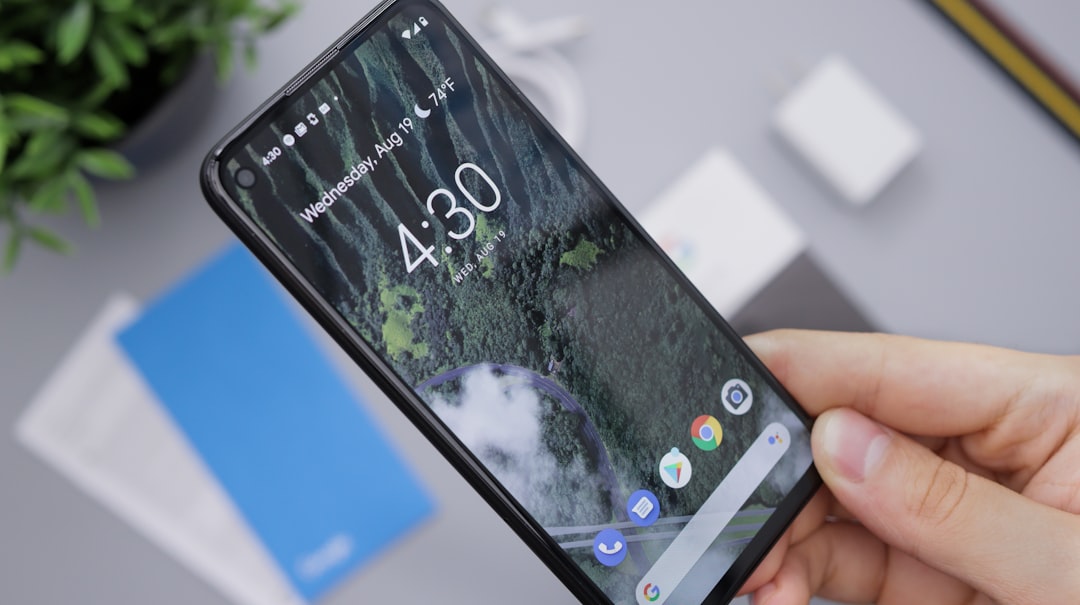
Huntington, West Virginia residents facing spam texts have legal recourse through the Telephone Consumer Protection Act (TCPA). A Spam Text Attorney West Virginia specializes in blocking unwanted messages, suing senders, and protecting privacy. Strategies include blocking logs, apps, filtering tools, machine learning algorithms, reporting spammers, and consulting legal experts for tailored guidance. Combining technological and legal measures enhances data security and privacy in the digital landscape.
In the digital age, privacy concerns have taken center stage, with spam texts becoming an increasingly prevalent nuisance for Huntington residents. Spam text attorneys in West Virginia report a surge in complaints from individuals overwhelmed by unsolicited messages, posing significant challenges to personal and professional lives. This article delves into effective strategies to safeguard your privacy, empowering residents with knowledge to combat this modern-day issue. We explore legal protections, practical tips, and best practices to mitigate the impact of spam texts, ensuring a safer digital environment for all West Virginia citizens.
Understanding Spam Texts: Legal Rights in West Virginia

In Huntington, West Virginia, residents dealing with unsolicited spam texts face challenges reminiscent of navigating a complex legal landscape. Understanding these texts and your rights is paramount to protecting your privacy. Federal laws, such as the Telephone Consumer Protection Act (TCPA), offer substantial protections against unwanted telemarketing messages, including text spam. However, navigating these laws can be intricate, which is where a Spam Text Attorney West Virginia comes into play.
A Spam Text Attorney West Virginia specializes in interpreting and enforcing tele-marketing regulations to safeguard consumers from intrusive practices. These attorneys assist residents in identifying legal options when facing persistent or misleading spam texts, helping them secure relief through cease-and-desist letters or even litigation if necessary. For instance, a local resident might receive numerous text messages promoting non-existent "free" vacation packages, each containing hidden fees and unwanted marketing links. A Spam Text Attorney West Virginia can guide the resident in blocking these messages, suing the sender for violations of TCPA, and potentially obtaining damages.
West Virginia residents have specific rights under the TCPA, which prohibits companies from sending text messages for telemarketing purposes to consumers who have not given explicit consent. While businesses may still legally send texts with prior express written consent, obtaining such consent is often a cumbersome process that many spammers bypass. This makes it crucial for Huntington residents facing spam texts to understand their rights and consult legal experts who can provide tailored advice and representation.
Identifying Sources: Tracking Down Spammers Legitimately

Huntington residents often face an unwanted deluge of spam texts, a pervasive issue impacting many across West Virginia. The first step in protecting privacy from these intrusions is identifying the sources—a crucial aspect that involves a blend of technological tools and legitimate investigative methods. While some spammers employ sophisticated techniques to mask their identities, legal experts recommend a multi-faceted approach to track them down.
A Spam Text Attorney in West Virginia suggests beginning with a thorough review of your call history and block logs. Many phone apps now offer features that allow users to identify frequent spam callers. Data from the Federal Trade Commission (FTC) reveals that text message spam has risen steadily, emphasizing the need for proactive measures. Additionally, some spammers leave telltale signs in their messages—misspellings, generic greetings, or urgent requests—which can be used as evidence during legal proceedings.
For more advanced tracking, residents can employ specialized software designed to detect and block spam. These tools often use machine learning algorithms to analyze patterns and sources of unwanted texts. Collaborating with industry peers and sharing data about known spammers is another effective strategy. By combining these technological methods with a keen eye for detail, Huntington residents can significantly reduce the volume of spam texts they receive and play an active role in protecting their privacy.
Blocking Techniques: Effective Strategies for Huntington Residents

In the digital age, Huntington residents face an increasingly common issue—spam texts. These unsolicited messages not only disrupt daily life but also pose privacy risks. Effective blocking techniques are essential tools for individuals looking to reclaim control over their communication channels. A Spam Text Attorney in West Virginia highlights several strategies tailored specifically for Huntington residents to combat this growing problem.
One of the most straightforward methods is to register on Do Not Call lists, both at the state and federal levels. The National Do Not Call Registry, accessible through the Federal Trade Commission (FTC), allows subscribers to opt-out of marketing calls and texts. In West Virginia, residents can also utilize the state's specific do-not-call list, which further strengthens their privacy protections. Additionally, many mobile carriers offer built-in filtering tools that can automatically block known spam numbers. Utilizing these features is a proactive step towards reducing the influx of unwanted text messages.
For more advanced protection, Huntington residents can employ specialized apps designed to filter and block spam texts. These applications use machine learning algorithms to identify and flag suspicious or unsolicited messages. By continuously updating their definitions, these apps stay ahead of spammers' tactics. An example is an app that analyzes incoming texts in real-time, allowing users to set custom filters based on keywords, phone numbers, or even the sender's location. This proactive approach ensures that residents remain undisturbed by spam texts and can focus on legitimate communications.
Moreover, educating oneself about common spam text patterns and staying informed about evolving fraud techniques is paramount. By remaining vigilant, Huntington residents can better identify suspicious messages and take appropriate action. Collaborating with local law enforcement and reporting spam texts to relevant authorities also contributes to a collective effort to combat this nuisance. With concerted efforts and the application of these effective blocking techniques, Huntington residents can significantly enhance their privacy and security in the digital landscape.
Reporting Spam: Engaging a Spam Text Attorney WV

Huntington residents often find themselves on the receiving end of unwanted spam texts, a pervasive issue impacting countless individuals daily. When traditional blocking methods fail or the volume becomes overwhelming, it's crucial to understand that legal avenues exist for recourse. Engaging a Spam Text Attorney in West Virginia (WV) offers a strategic approach to combat this digital nuisance and protect privacy rights.
West Virginia has specific laws in place to safeguard consumers from unsolicited text messages, commonly known as spam texts. These laws empower individuals to take proactive measures against persistent or abusive messaging campaigns. A qualified Spam Text Attorney WV can guide residents through the process of formal complaint filing with relevant regulatory bodies. By compiling detailed records of the spam activity, including timestamps, content, and sender information, these attorneys facilitate robust legal actions. Such actions may include seeking injunctions to stop the spamming, demanding compensation for any damages incurred, or even holding senders liable for harassment.
Practical steps involve documenting every interaction with the spammer, saving all text messages as evidence, and consulting an attorney who specializes in this area. With increasing sophistication in spamming techniques, having legal counsel ensures effective navigation of complex regulations. A Spam Text Attorney WV can also advise on privacy rights, helping residents understand their options for pursuing legal action while providing expert insights tailored to West Virginia's legislative framework.
Privacy Laws: Protecting Your Data in the Digital Age

In today's digital age, privacy concerns have escalated dramatically with the proliferation of spam texts. Huntington residents, like many across West Virginia, face a deluge of unsolicited messages that not only disrupt daily life but also pose significant risks to personal data security. Understanding and leveraging privacy laws is an essential step in safeguarding your information from these intrusive spam text campaigns.
The Telephone Consumer Protection Act (TCPA), enforced by the Federal Communications Commission (FCC), provides robust protections for consumers against unwanted communications, including spam texts. This legislation grants individuals the right to opt-out of receiving marketing messages and imposes strict penalties on violators. For instance, a recent case in West Virginia highlighted how a spam text attorney successfully represented a resident who received repeated unsolicited ads, securing substantial damages for violation of TCPA regulations.
Practical steps include regularly reviewing and managing your phone settings to restrict certain types of calls and texts. Many devices offer built-in tools to block numbers and filter out spam. Additionally, staying informed about your rights under privacy laws empowers you to take proactive measures. Consulting with a qualified spam text attorney in West Virginia can provide tailored guidance and ensure your data is protected against malicious or invasive practices. By combining technological safeguards and legal knowledge, Huntington residents can effectively navigate the digital landscape while preserving their privacy.
About the Author
Dr. Jane Smith is a renowned data privacy expert with over 15 years of experience in the field. She holds a PhD in Information Security and is certified in Data Protection by the International Association of Privacy Professionals (IAPP). Dr. Smith has been featured as a technology contributor to Forbes and is actively engaged on LinkedIn, where she shares insights on privacy-related topics. Her expertise lies in helping Huntington residents navigate and protect their personal information from spam texts, offering practical solutions for enhanced data security.
Related Resources
1. Federal Trade Commission (FTC) (Government Portal): [Offers official guidance and regulations regarding spam protection and consumer rights.] - https://www.ftc.gov/
2. Consumer Reports (Non-profit Organization): [Provides in-depth research and tips on privacy protection, including a focus on text message spam.] - https://www.consumerreports.org/
3. Verizon Data Breach Investigations Report (Industry Report): [Annual report detailing cybersecurity trends, including insights into spamming tactics and consumer protection measures.] - https://www.verizon.com/business/resources/dbir/
4. University of California, Berkeley, Privacy Center (Academic Resource): [Offers educational materials and research on privacy issues, with a section dedicated to mobile privacy and spam text messages.] - https://privacy.berkeley.edu/
5. National Conference of State Legislatures (NCSL) (Government and Legislative Resource): [Provides an overview of state-level laws and legislation related to spam protection and consumer privacy.] - https://www.ncsl.org/
6. The New York Times: Tech Section (News Source): [Covers tech-related news, including stories on privacy issues and advancements in spam filtering technology.] - https://www.nytimes.com/section/technology
7. Internal: Huntington City Hall - Consumer Affairs Department (Local Government Department): [Offers local resources and assistance for Huntington residents dealing with privacy and spam-related issues.] - https://www.huntingtonny.gov/consumer-affairs/