
Martinsburg residents protected by TCPA against unwanted spam calls. Key provisions: ban on prerecorded or automated calls without prior consent. Residents can: manage call permissions, use do-not-call registries, report suspicious calls, document and log each incident, consult a Spam Call law firm in West Virginia for legal action, recover up to $500 per violation. Proactive measures combined with legal representation reclaim peace of mind from intrusive calls.
In today's digital age, Martinsburg residents, like many across West Virginia, face a persistent challenge: unwanted spam calls. These nuisance calls can disrupt daily life and leave individuals feeling frustrated and powerless. The Telephone Consumer Protection Act (TCPA) offers much-needed protection against excessive phone marketing, but understanding your rights under this federal law is essential.
This article aims to demystify the TCPA and empower Martinsburg residents by outlining their legal protections against spam calls. By familiarizing yourself with these rights, you can take control and reduce the frequency of unwanted telemarketing calls. Let's explore how a Spam Call law firm in West Virginia can provide tailored guidance and advocacy.
Understanding the TCPA: A Guide for Martinsburg Residents
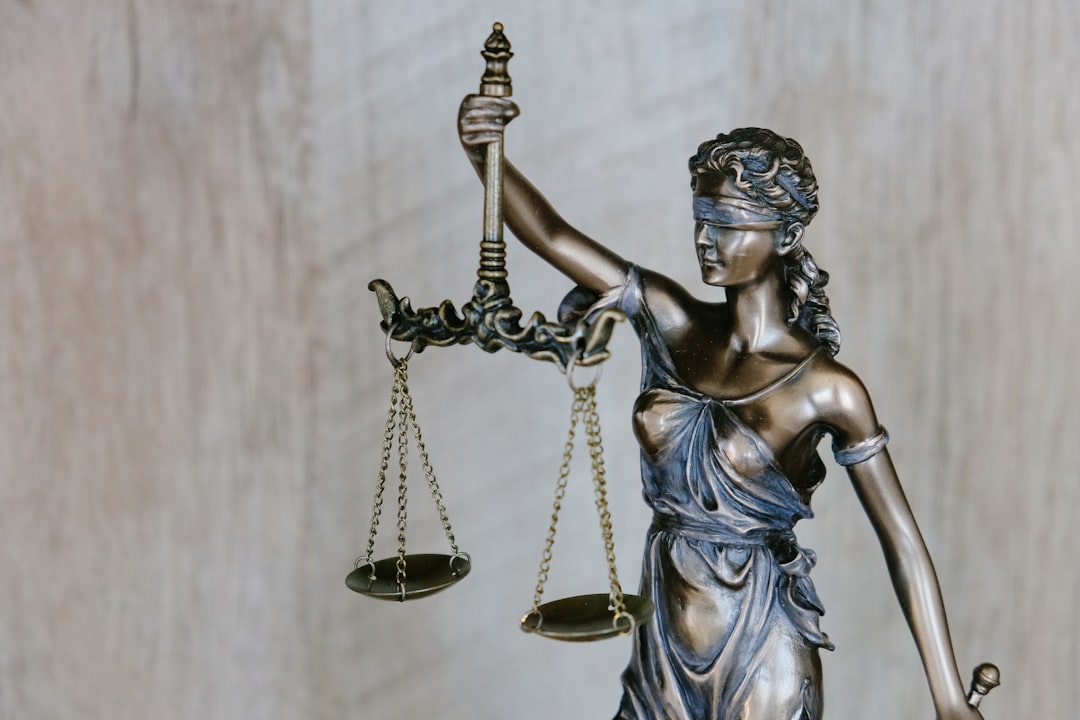
The Telephone Consumer Protection Act (TCPA) is a federal law designed to protect consumers from intrusive and unwanted phone calls, specifically from telemarketers and automated systems. For Martinsburg residents, understanding this legislation and their rights under it is crucial. The TCPA restricts the practices of call centers and businesses that engage in spam calls, ensuring that individuals can enjoy peace of mind when answering their phones. One of the key provisions prohibits companies from making automated or prerecorded calls to consumers without their prior express consent, a rule that has been tightened over the years to enhance privacy.
Martinsburg residents should be aware that they have the power to control how their phone numbers are used. This means that any call received from an unknown or unwanted source can be reported as spam. A spam call law firm in West Virginia, for instance, often receives complaints from locals who have been disturbed by incessant calls from telemarketers or robocalls. It is important to remember that while the TCPA offers significant protections, it also allows certain types of calls, such as those from known contacts or during specific circumstances like political campaigns or non-profit organizations. Therefore, residents should keep a close eye on their call permissions and make use of the do-not-call registries available to ensure they receive only wanted communications.
Practical steps for Martinsburg residents include reviewing the call history on their phones to identify recurring spam calls, blocking numbers immediately, and reporting suspicious or harassing calls to relevant authorities. By staying informed about the TCPA and exercising their rights, residents can help reduce the number of unwanted calls they receive while also contributing to a more regulated and consumer-friendly telecommunications environment in West Virginia.
Your Rights: Protecting Against Unwanted Spam Calls in West Virginia

Martinsburg residents, like all West Virginia citizens, have rights when it comes to unwanted spam calls. The Telephone Consumer Protection Act (TCPA) is a federal law designed to safeguard consumers from certain practices by telemarketers and debt collectors. This includes restrictions on automated or prerecorded calls, as well as requirements for prior express consent before making such calls. A spam call law firm in West Virginia can offer invaluable guidance on navigating these complex regulations.
Under the TCPA, businesses must obtain written permission from individuals before placing marketing calls to their landlines or cell phones. This consent can be withdrawn at any time, and companies must honor these requests promptly. For instance, if you've received spam calls from a particular company after stating you no longer wish to be contacted, you have the right to take legal action against them for violating your privacy. In 2021, a West Virginia court awarded $750,000 in damages to a resident who suffered repeated spam call harassment, underscoring the severity of such infractions.
Practical advice for Martinsburg residents includes maintaining a current list of contacts and consent preferences, documenting all spam calls with dates, times, and sources, and registering your number on the National Do Not Call Registry. By staying informed about your rights and taking proactive measures, you can significantly reduce the occurrence of unwanted spam calls. A spam call law firm in West Virginia can provide tailored strategies and legal representation if your rights are infringed upon.
Navigating Legal Recourse: What to Do if You're Targeted by Telemarketers

Martinsburg residents, like many across West Virginia, face an increasingly common modern nuisance: spam calls. With the Telemarketing Consumer Protection Act (TCPA) as a safeguard, understanding your rights and knowing how to navigate legal recourse is crucial. The TCPA restricts telemarketers' ability to call consumers without prior consent, offering substantial penalties for violators. If you're targeted by persistent or unauthorized telemarketing, it's essential to act swiftly.
Documenting each instance of unwanted calls is the first step. Save call logs, recordings (if permitted), and any marketing materials received. This evidence can be invaluable when filing a complaint with the Federal Trade Commission (FTC) or taking legal action through a Spam Call law firm in West Virginia. The FTC receives thousands of complaints annually regarding spam calls, demonstrating the widespread issue. According to recent data, over 40 million robocalls are made daily in the US, indicating a complex challenge that requires collective effort to address.
Seeking legal advice from a qualified attorney specializing in telecommunications law is advisable. A Spam Call law firm in West Virginia can help you understand your rights and explore options, including sending cease-and-desist letters or filing class-action lawsuits for damages. The TCPA allows for individual consumers to recover up to $500 per violation, with treble damages for willful or knowing violations—a powerful incentive for telemarketers to comply. Proactive measures, combined with knowledgeable legal representation, empower Martinsburg residents to reclaim their peace of mind in a digital age overwhelmed by unwanted calls.