
In West Virginia, navigating spam text message laws under the Telephone Consumer Protection Act (TCPA) requires explicit customer consent. Spam Text Lawyers guide businesses on obtaining valid opt-ins, ensuring texts reach only consented recipients. Non-compliance leads to legal action, with fines and class-action lawsuits. Key procedures involve claim filing within a year, evidence gathering, discovery, and proving TCPA violations for damages. A resident won against illegal number use, while a marketing company faced penalties for mass spamming. Spam Text Lawyer West Virginia play a vital role in protecting consumers and promoting ethical business practices through TCPA cases.
In the digital age, communication landscapes have evolved, presenting unique challenges regarding consumer protection, particularly against unsolicited communications. The Telephone Consumer Protection Act (TCPA) plays a pivotal role in shielding individuals from unwanted spam text messages, yet navigating legal complexities remains a hurdle for many. Specifically, this article delves into the nuanced dynamics of consent within TCPA cases filed in Charleston, WV, where Spam Text Lawyer West Virginia has emerged as an indispensable resource for those seeking clarity and justice. By exploring real-world scenarios, we aim to provide valuable insights for consumers and legal professionals alike.
Understanding Consent Laws in West Virginia

In West Virginia, understanding consent laws is paramount for navigating The Telephone Consumer Protection Act (TCPA) and its implications on spam text messages. A key aspect of the TCPA revolves around the concept of valid consent, which forms a crucial defense mechanism against legal actions. West Virginia law, like many states, has specific guidelines regarding how businesses and individuals can obtain and utilize customer permissions to send automated texts for marketing purposes.
The definition of consent in this context is nuanced. It requires explicit permission from the recipient, often obtained through clear and concise opt-in mechanisms. For instance, a business seeking to text promotional content must ensure that subscribers have willingly agreed to receive such messages. A simple text reply like "yes" or checkmark on a sign-up form can serve as valid consent, but it must be freely given without coercion or deception. This is where the role of a Spam Text Lawyer West Virginia becomes significant; they guide clients in implementing proper consent practices and defending against TCPA violations.
Data from consumer protection agencies shows that many TCPA cases revolve around disputes over consent. The absence of clear consent can lead to costly settlements for businesses. Therefore, companies must be diligent in documenting and verifying customer agreements. This includes maintaining records of opt-in processes, providing subscribers with an easy way to withdraw consent (opt-out), and ensuring that text messages are sent only to those who have granted permission. By adhering to these principles, businesses can mitigate legal risks associated with spam text messages and maintain a positive relationship with their customers.
The TCPA and Anti-Spam Text Regulations

In Charleston, WV, as across the nation, the Telephone Consumer Protection Act (TCPA) plays a pivotal role in safeguarding individuals from unsolicited text messages, commonly known as spam text. This federal law imposes strict regulations on businesses and organizations sending mass text communications, with a particular focus on ensuring informed consent from recipients. The TCPA's anti-spam text provisions have become increasingly important as the volume of unwanted texts surges, leading to numerous legal cases in West Virginia courts.
Spam text lawyers in West Virginia emphasize that the TCPA requires clear and explicit consent before sending automated or prerecorded messages to a consumer's mobile device. This includes opt-in agreements where individuals actively choose to receive marketing texts. For instance, a retail company organizing a flash sale must obtain consent from potential customers who have not previously engaged with their brand. Failure to adhere to these guidelines can result in significant legal repercussions for violators. According to the Federal Communications Commission (FCC), businesses can face substantial fines and class-action lawsuits, as consumers increasingly seek redress for unauthorized text messages.
Practical insights for businesses operating in West Virginia suggest implementing robust opt-in mechanisms on their websites and during sales interactions. Offering clear options for customers to subscribe to text alerts and providing easy unsubscribe methods are best practices. Additionally, keeping detailed records of consent preferences is crucial, as courts scrutinize a company's adherence to TCPA guidelines. By prioritizing these measures, businesses can mitigate the risk of TCPA-related lawsuits in Charleston and across West Virginia, ensuring compliance with anti-spam text regulations while fostering positive customer relationships.
Filing a Claim: Procedural Steps for Spam Text Lawyer WV
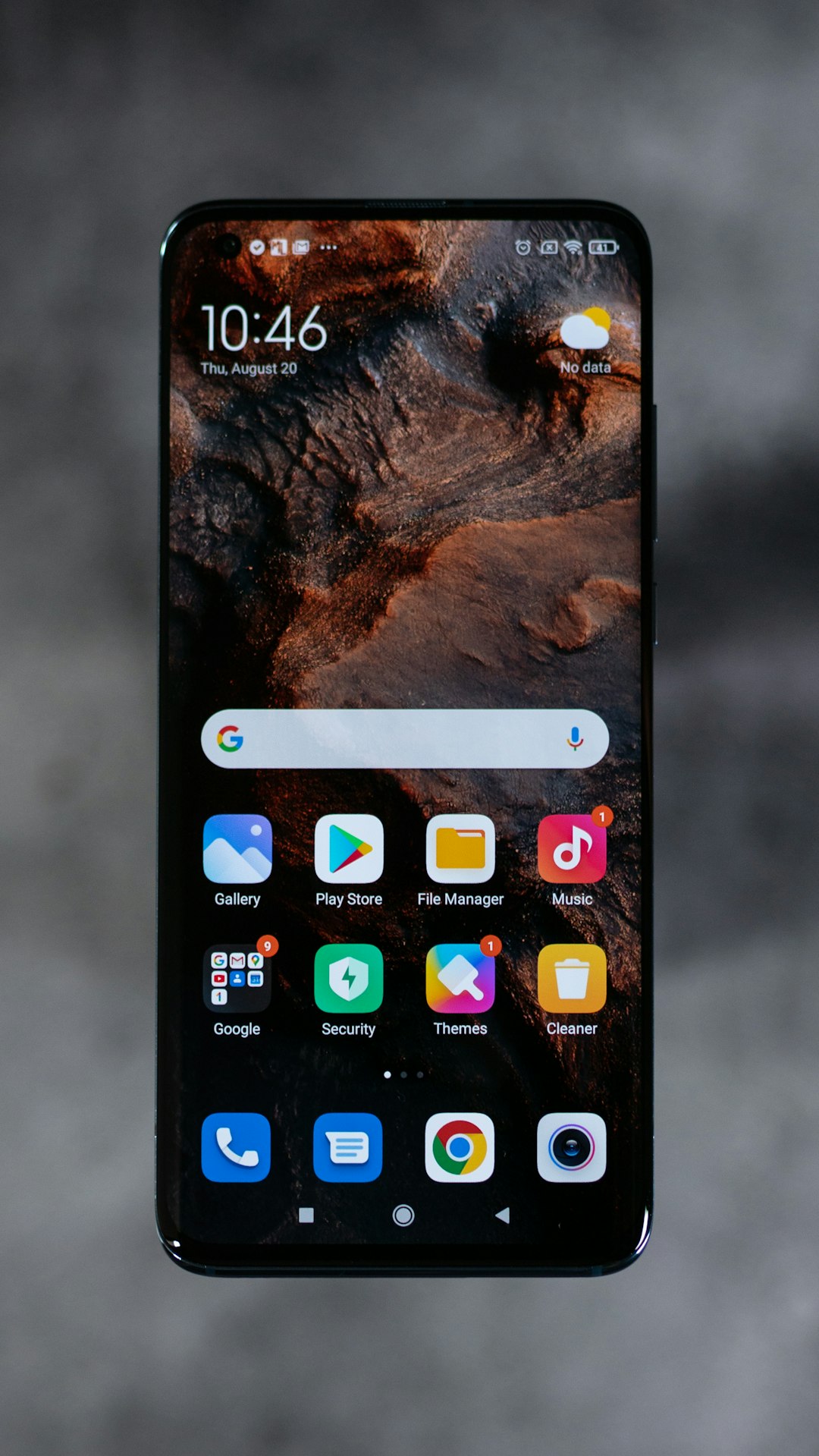
In Charleston, WV, when individuals file a claim involving spam text messages under the Telephone Consumer Protection Act (TCPA), navigating the procedural steps is crucial. The first step for any plaintiff considering legal action against a spam text message sender involves gathering evidence and consulting with a Spam Text Lawyer West Virginia. This expert can help determine if the messages violate TCPA guidelines, which prohibit unsolicited text messages from automated dialing systems or prerecorded calls. For instance, tracking down the caller's identity and the source of the messages is key; this process often requires sophisticated tools and legal expertise to obtain reliable data.
Once evidence is secured, a plaintiff must file their claim within specific timeframes. In West Virginia, there is generally a one-year statute of limitations for TCPA violations, meaning any lawsuit or formal complaint must be submitted within that period after the alleged infraction occurred. This timeline underscores the importance of prompt action. Upon filing, the case enters the initial procedural stages, including service of process, where legal documents are delivered to the defendant, officially notifying them of the claim. A Spam Text Lawyer West Virginia plays a vital role here, ensuring proper procedures are followed and all required notifications are accurately served.
The subsequent steps involve pretrial activities such as discovery, where both parties gather relevant information. This may include requesting records from the defendant, including call logs and marketing materials, which can be pivotal in building a strong case. Throughout this process, the plaintiff's attorney will work to demonstrate that the defendant's actions meet the definition of spam under TCPA regulations. If successful, and depending on the severity of the violation, damages may be awarded, potentially including actual monetary compensation for each violation as well as court costs and attorney fees.
Protecting Consumer Rights: Case Studies in Charleston

In Charleston, WV, protecting consumer rights against intrusive communication practices is a paramount concern, especially regarding the Telephone Consumer Protection Act (TCPA). Spam text lawyer West Virginia has played a pivotal role in navigating this complex legal landscape, advocating for individuals who have fallen victim to unsolicited spam texts. Consumer rights are best served when there's a clear understanding of consent, its role in TCPA cases, and how it can be both a shield and a sword.
Case studies from Charleston highlight the importance of informed consent. In one notable instance, a local resident received hundreds of spam text messages daily, each promoting various products and services. Upon investigating, the plaintiff discovered that their phone number had been illegally acquired and used without explicit consent. The court ruled in favor of the consumer, emphasizing the need for businesses to obtain prior permission before initiating automated texts. This decision not only sent a strong message to spammers but also reaffirmed the rights of Charleston residents to be free from persistent and unwanted communication.
Another compelling case involved a national marketing company that utilized illegal practices to distribute spam texts on a mass scale. A collective action was initiated by a group of affected consumers, including many from Charleston. The lawsuit argued that the company violated TCPA guidelines by failing to implement reasonable measures to obtain consent and for repeatedly sending texts despite opt-out requests. The outcome resulted in substantial monetary compensation for the victims, serving as a stark reminder to businesses about the consequences of negligent data handling and inadequate consumer protection measures.
Spam text lawyer West Virginia continues to lead efforts in educating consumers and holding accountable those who disregard TCPA regulations. Through strategic legal interventions, these cases have not only provided financial relief to victims but also set precedents for future litigation. By prioritizing consent as a foundational element in TCPA cases, Charleston can ensure that consumer rights are protected, fostering a more transparent and ethical business environment.